Breaking Britain returns, this time it’s the schools
Why is so much of Britain’s infrastructure literally falling apart?
13 Sep 2023
Why is so much of Britain’s infrastructure literally falling apart?

Lib Dems condemn “chaotic and incompetent” budget
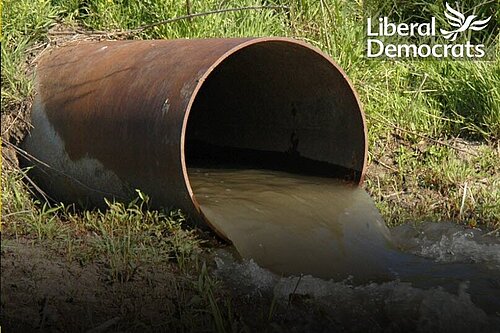
The sheer quantity of raw sewage being dumped into Britain’s rivers and coastal areas is a scandal and a disgrace.

Commenting on the Empty Homes Update to the Housing Committee that shows the number of homes empty for over five years has decreased by 35% since 2014, Liberal Democrat Housing Spokesperson Councillor Dean Crofts said "This update is very encouraging. It shows that the programme has been a big success and as a council, we have brought wasted resources and space back into use. This means buildings that may have previously attracted anti-social behaviour are now being restored back into our communities for people to live in."
The Liberal Democrats have always opposed Warrington Borough Council's investment in Together Energy but did not support the Tory motion for a new detailed report on the involvement in the company.

Three leading cabinet members are encouraging conversations around consent, healthy relationships and women's safety - as research shows that 71% of all women have experienced some form of sexual harassment in a public place.

The Liberal Democrats have called for an independent public inquiry into government sleaze and allegations of political corruption, warning that Boris Johnson's Conservatives are "releasing sewage into our rivers and sleaze into our politics."
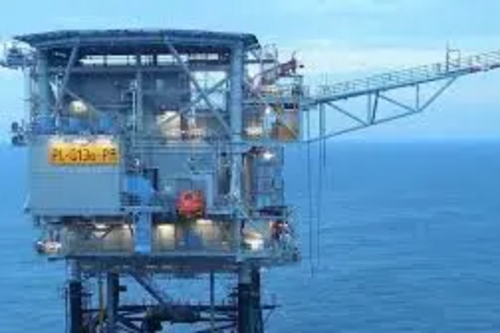
Several European energy companies are currently exploring the feasibility of producing hydrogen out at sea. Although not particularly efficient, electroysis of water to produce hydrogen is a useful way to capture wind energy that might otherwise be in surplus. Batteries could of course be used shorterm energy storage and release, but future projections indicate hydrogen could handle greater quantities of energy over greater timescales and could also be an efficient way to transfer it to the mainland - with one hydrogen pipeline handling the same energy transmission as 5 DC interconnector cables.
Several European energy companies are currently exploring the feasibility of producing hydrogen out at sea. Although not particularly efficient, electroysis of water to produce hydrogen is a useful way to capture wind energy that might otherwise be in surplus. Batteries could of course be used shorterm energy storage and release, but future projections indicate hydrogen could handle greater quantities of energy over greater timescales and could also be an efficient way to transfer it to the mainland - with one hydrogen pipeline handling the same energy transmission as 5 DC interconnector cables.