Breaking Britain returns, this time it’s the schools
Why is so much of Britain’s infrastructure literally falling apart?
13 Sep 2023
Why is so much of Britain’s infrastructure literally falling apart?

Lib Dems condemn “chaotic and incompetent” budget
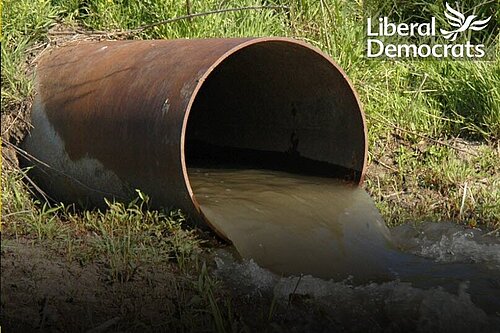
The sheer quantity of raw sewage being dumped into Britain’s rivers and coastal areas is a scandal and a disgrace.
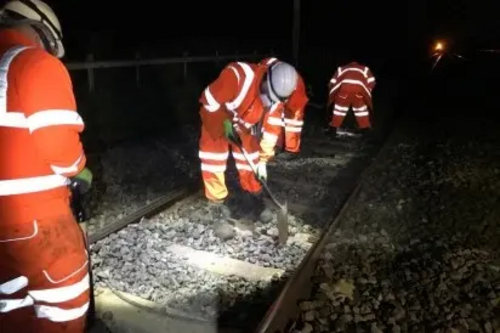
Working with social distancing requirements and with some operatives ill or self-isolating will obviously reduce efficiency and slow work down, but with timetable reductions and fewer trains running important work can still proceed - and of course fewer passengers are suffering disrupted journeys. Staff on nationally critical routes, such as the West Coast and Chiltern main lines, are keeping essential supplies and key workers moving during the Covid-19 pandemic.
Working with social distancing requirements and with some operatives ill or self-isolating will obviously reduce efficiency and slow work down, but with timetable reductions and fewer trains running important work can still proceed - and of course fewer passengers are suffering disrupted journeys. Staff on nationally critical routes, such as the West Coast and Chiltern main lines, are keeping essential supplies and key workers moving during the Covid-19 pandemic.
Residents are being urged not to put themselves - and others - in danger over Easter Bank Holiday weekend. Leaders from public sector and voluntary organisations in Chelmsford have joined together to make the plea.
WE WISH ALL OUR VISITORS A VERY HAPPY, PEACEFUL AND SAFE EASTERTIDE

Local government pensions fund investments in England and Wales were collectively worth £287 billion as of March 2019, according to central government figures. Many funds, in their schedules of investments, show substantial direct stock holdings in major oil companies. The reason for this is not hard to guess at: oil companies (unlike e.g. tech stocks) pay regular dividends and by investing in them directly, pension funds avoid management fees associated with indirect investment, via unitised trust funds. Trustees will be attracted to investing in oil stocks especially where they interpret their fiducial duty as being purely to maximise medium- and long-term financial gain. Less progressive trustees may be resistant both to adopting an ethical investment policy and to acknowledging the (increasing) longer term risk attendant in oil industry investments, as the energy transition progresses.
Dear Sir,