Breaking Britain returns, this time it’s the schools
Why is so much of Britain’s infrastructure literally falling apart?
13 Sep 2023
Why is so much of Britain’s infrastructure literally falling apart?

Lib Dems condemn “chaotic and incompetent” budget
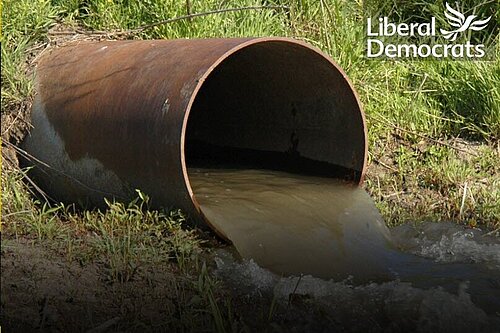
The sheer quantity of raw sewage being dumped into Britain’s rivers and coastal areas is a scandal and a disgrace.
Read the detailed plan for Sam Beare and why it plans to move out of Weybridge Hospital. The people of Weybridge are net...

It is National Apprenticeship Week from 3rd - 7th March,and as part of this, Bedford Borough Council has planned a number of activities to showcase the achievements and benefits that Apprenticeships deliver for both apprentices and their employers.

Following the Government's announcement of the 'Superfast Extension Programme', Mayor Dave Hodgson has confirmed that he will ensure that the project to ensure 95% of homes have superfast broadband access by 2017 will be delivered in Bedford Borough.

So the Conservatives will be proposing a 1% cut in Council Tax. Well I suggest readers think before they cheer. The Conservative Leader describes the cut as a gesture, but to my mind it smacks of a gimmick and it may turn out to be an expensive gimmick at that.
Essex County Council are today (Friday 28th) removing the 'Lollipop' crossing in Copperfield Road near Morrisons.
In November, Taylor Wimpey hosted a workshop and public consultation to give local people the chance to view and feedback on their proposals for a new residential development at the MOD Shorncliffe Garrison site.